
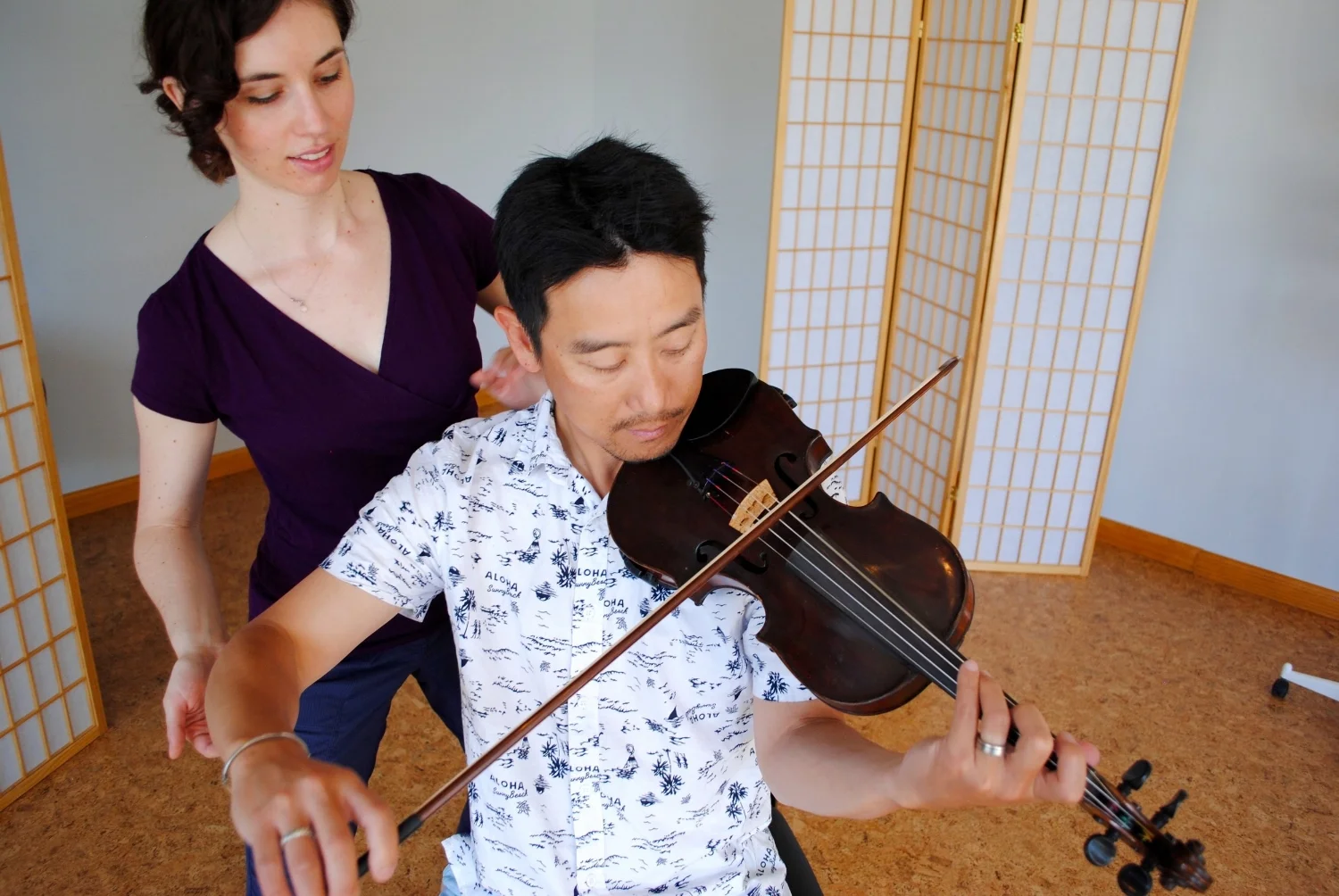
What Is The Alexander Work?
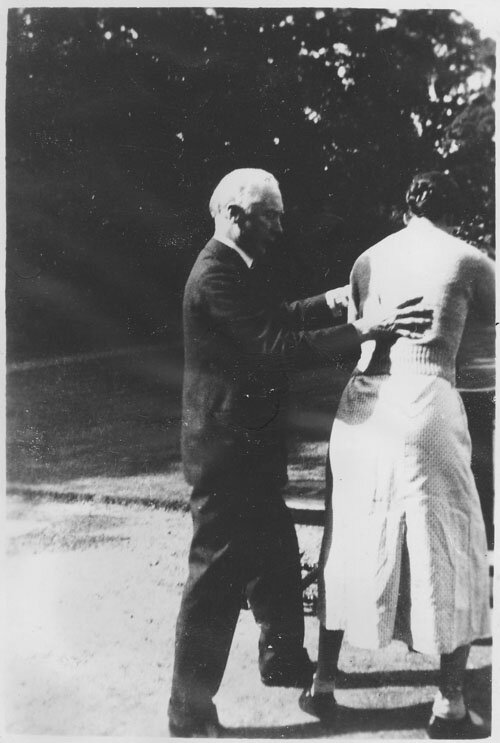
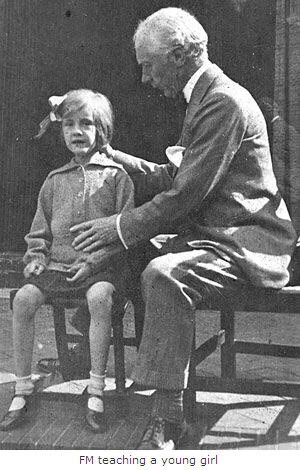
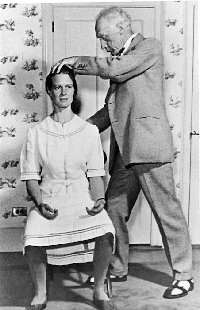
The Alexander Work is a practical, hands-on study of coordination, movement, habit, and awareness.
Through gentle guidance and experiential learning, it helps you recognize how you organize yourself in activity — and how that organization influences balance, effort, breathing, and responsiveness.
Rather than imposing correction, the work develops clearer perception. As awareness increases, unnecessary tension can begin to release, and coordination can become more reliable.
What Can It Support?
People often study the Alexander Work to address:
Chronic tension and discomfort
Performance anxiety
Repetitive strain or overuse patterns
Postural fatigue
Stress-related holding patterns
Lessons may complement medical or therapeutic care by helping you identify habits that contribute to strain and by cultivating more efficient coordination in everyday activity.
Many students report:
Reduced pain or discomfort
Improved balance and freedom of movement
Greater ease in breathing and speaking
Increased confidence in performance settings
A calmer and more responsive sense of self
The work is educational in nature. It does not diagnose or treat medical conditions, but it can meaningfully support how you move and function within your own system.
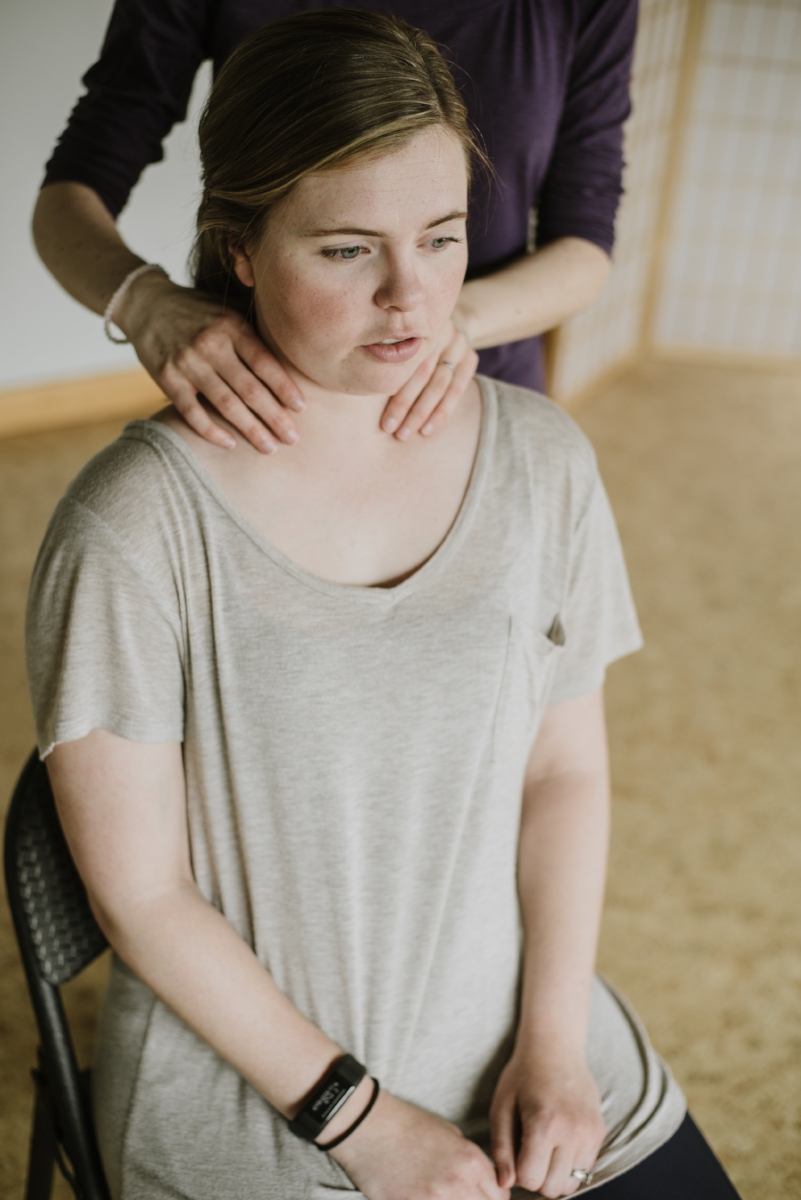
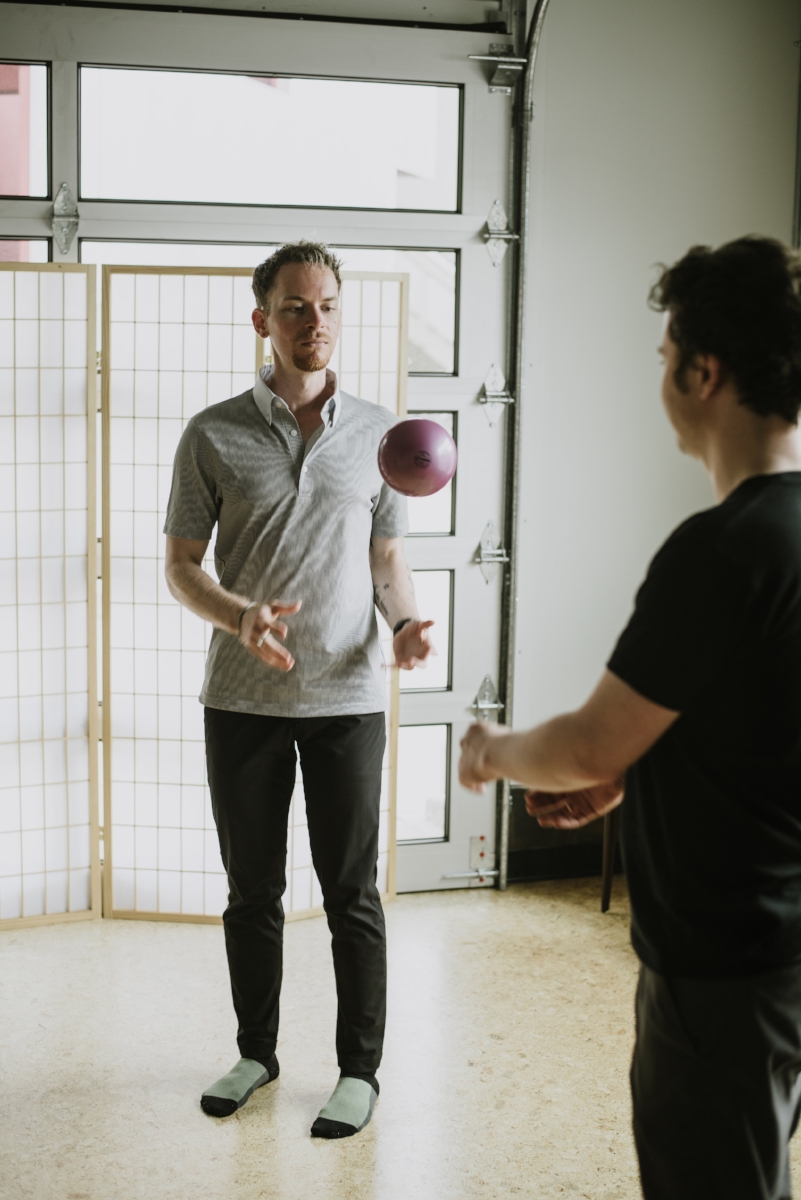

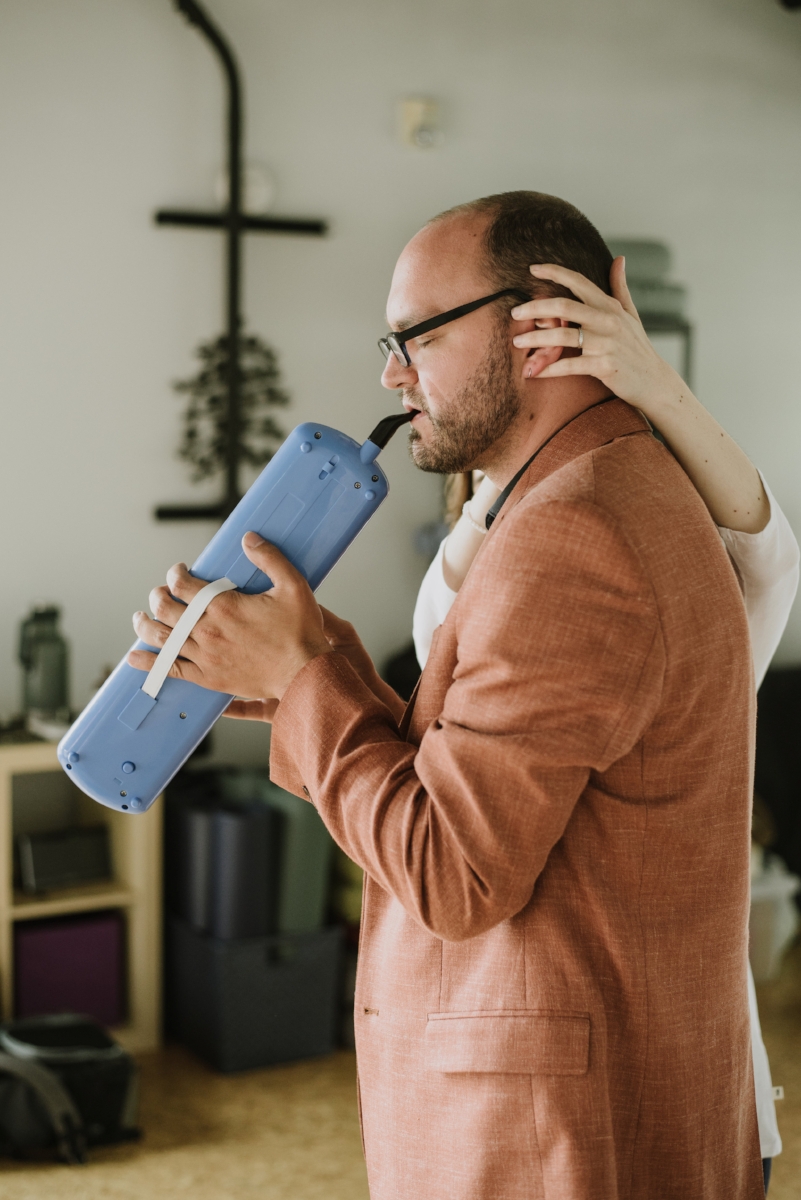

Who Studies the Alexander Work?
The work is studied by a wide range of individuals, including:
Musicians, singers, and performers
Athletes and dancers
Educators and healthcare professionals
Individuals recovering from strain or injury
Those who spend long hours at a desk
Anyone interested in greater awareness and efficiency in daily life
The principles apply to both specialized performance and ordinary activity — walking, sitting, working, speaking, or resting.
About F.M. Alexander
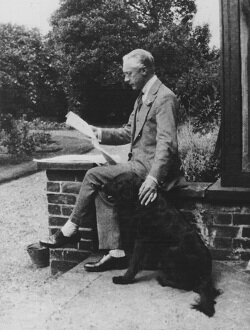
F.M. Alexander (1869–1955) was an Australian actor who began experiencing recurring vocal strain while performing. When medical interventions did not resolve the issue, he undertook a careful process of self-observation.
Through this exploration, Alexander recognized that habitual patterns of tension and coordination were contributing to his difficulty. By experimenting with new ways of organizing himself in movement and speech, his voice gradually improved.
Over time, colleagues and physicians encouraged him to teach what he had discovered. Alexander spent more than fifty years refining his method of instruction and, after decades of teaching, began training others to carry the work forward.
What emerged is now known as the Alexander Technique — a practical study of awareness and coordination that continues to evolve through contemporary teaching approaches.
Source credit: http://www.alexandertechnique.com/fma.htm
Find out more about the Alexander work and locating teachers of the work around the globe below: